Levee Zones That Remain Manageable
Levee Vegetation Treatment in Steele for properties where overgrowth interferes with levee maintenance and land usability
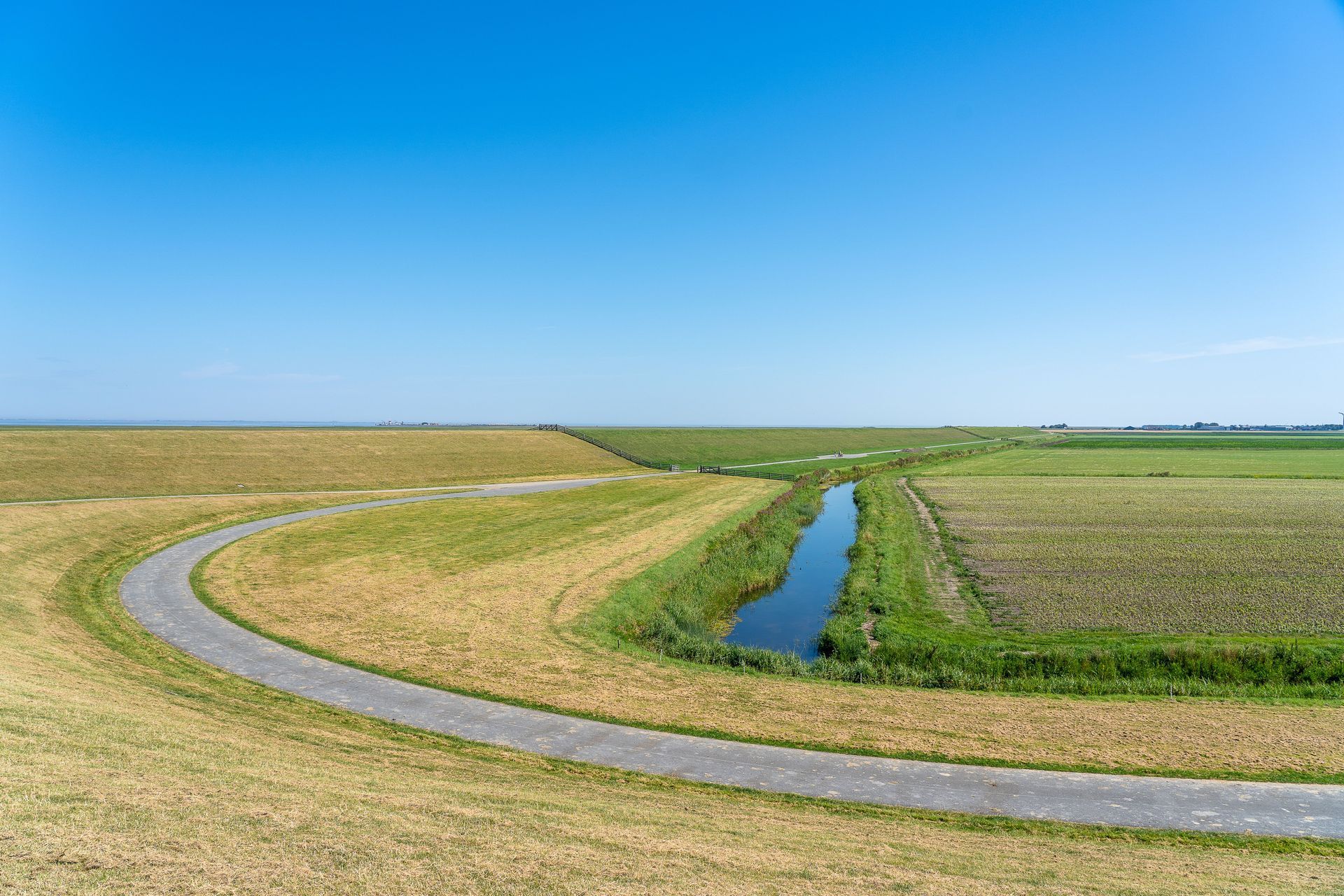
Overgrown vegetation along levee structures creates management challenges for agricultural properties where narrow, uneven terrain prevents traditional spray equipment from reaching problem areas effectively. PNM Drone Services handles levee vegetation control across properties in Steele using aerial application methods that improve access in confined spaces where ground rigs cannot maneuver safely or efficiently. This approach matters for landowners managing levee systems where weed suppression and vegetation control are necessary to maintain usable land zones and reduce long-term maintenance burdens.
Drone spraying reaches levee slopes, embankments, and edge zones without requiring equipment to travel across unstable or restricted terrain that would otherwise limit treatment options. The application process involves planning each levee section based on current vegetation conditions, target plant species, and herbicide formulas appropriate for the site. PNM works directly with property operators to align treatment timing with operational schedules and land use requirements specific to each location.
Request a levee vegetation consultation to assess your property conditions and develop a treatment approach based on current overgrowth patterns.
Why Aerial Access Works for Levee Management
Traditional levee vegetation control requires either hand application, which is labor-intensive across long stretches, or ground sprayers that struggle with narrow access paths, steep slopes, and uneven surfaces common in levee construction. Aerial application removes those access barriers by treating vegetation from above, which eliminates the need to position heavy equipment on unstable ground or navigate tight spaces between levee structures and adjacent land. Coverage happens faster and reaches sections that would otherwise be skipped due to logistical difficulty.
Once treatment is complete, you see reduced weed density along levee banks and edges, which makes routine inspection and maintenance easier and improves visibility across managed zones. Property operators notice fewer woody plants or aggressive weeds establishing root systems that complicate long-term levee stability, and less time is required for repeated manual clearing or follow-up vegetation management.
Service planning accounts for levee width, slope angle, and surrounding land use to ensure herbicide application targets problem vegetation without affecting adjacent crops or desirable plant cover. Treatment zones are mapped during the consultation phase so application boundaries align with operational needs and avoid unintended overspray into non-target areas.
What Property Owners Usually Ask
Landowners managing levee systems in agricultural settings across Arkansas and Missouri frequently ask about application safety, coverage precision, and how drone treatment compares to manual or ground-based vegetation control methods.
What types of levee vegetation can be controlled with aerial spraying?
Drone application effectively treats broadleaf weeds, grasses, woody saplings, and invasive species common along levee embankments, using herbicide formulas selected based on the target vegetation and desired control level for your property.
How does drone spraying handle narrow levee access paths?
Drones operate from above without requiring ground travel along levee structures, so treatment proceeds regardless of path width, surface stability, or obstacles that would prevent traditional spray rigs from accessing the area safely.
When is the best time to treat levee vegetation?
Treatment timing depends on the growth stage of target plants, but most broadleaf and woody species respond best to herbicide application during active growth periods, typically late spring through mid-summer in this region when plants are actively transporting nutrients.
What happens if levee slopes are too steep for ground equipment?
Aerial application maintains consistent spray coverage across slopes of any angle because the drone adjusts altitude and spray pattern independent of ground contour, which ensures even herbicide distribution where ground rigs would lose boom stability or coverage accuracy.
How is the treatment plan customized for different levee systems?
PNM evaluates levee length, vegetation density, surrounding land use, and herbicide preferences during the consultation phase to build a treatment plan specific to your property rather than applying a generic approach across all levee projects.
PNM Drone Services provides levee vegetation treatment across agricultural properties where access limitations and terrain challenges make conventional control methods inefficient. Reach us by phone at (256) 603-0221 to schedule an evaluation and discuss aerial treatment options for your levee system.