Shoreline Zones That Stay Functional
Pond & Aquatic Edge Treatment in Steele for agricultural land where overgrowth reduces access and complicates water-adjacent property management
Vegetation management around pond perimeters and water-adjacent zones presents access challenges where traditional spray equipment cannot reach shoreline areas effectively without damaging ground conditions or creating safety risks. Drone application provides targeted treatment along pond edges, banks, and uneven shoreline terrain where overgrowth interferes with land usability and routine property maintenance. PNM Drone Services operates across Steele and nearby agricultural areas, addressing vegetation problems near water-edge zones through aerial methods that avoid the disruption and inefficiency of ground-based spraying in sensitive or difficult-to-access locations.
The treatment process involves planning application zones based on current vegetation density, target plant species, and site-specific conditions such as slope, soil stability, and proximity to water. Aerial spraying reaches areas where ground rigs would sink into soft soil, damage banks, or require extensive setup time to position equipment safely. Each plan reflects the landowner's management goals and herbicide preferences rather than applying a standardized treatment formula across all pond properties.
Request a pond edge treatment consultation to review your property conditions and identify vegetation zones that would benefit from aerial application.
How Drone Spraying Addresses Shoreline Access Issues
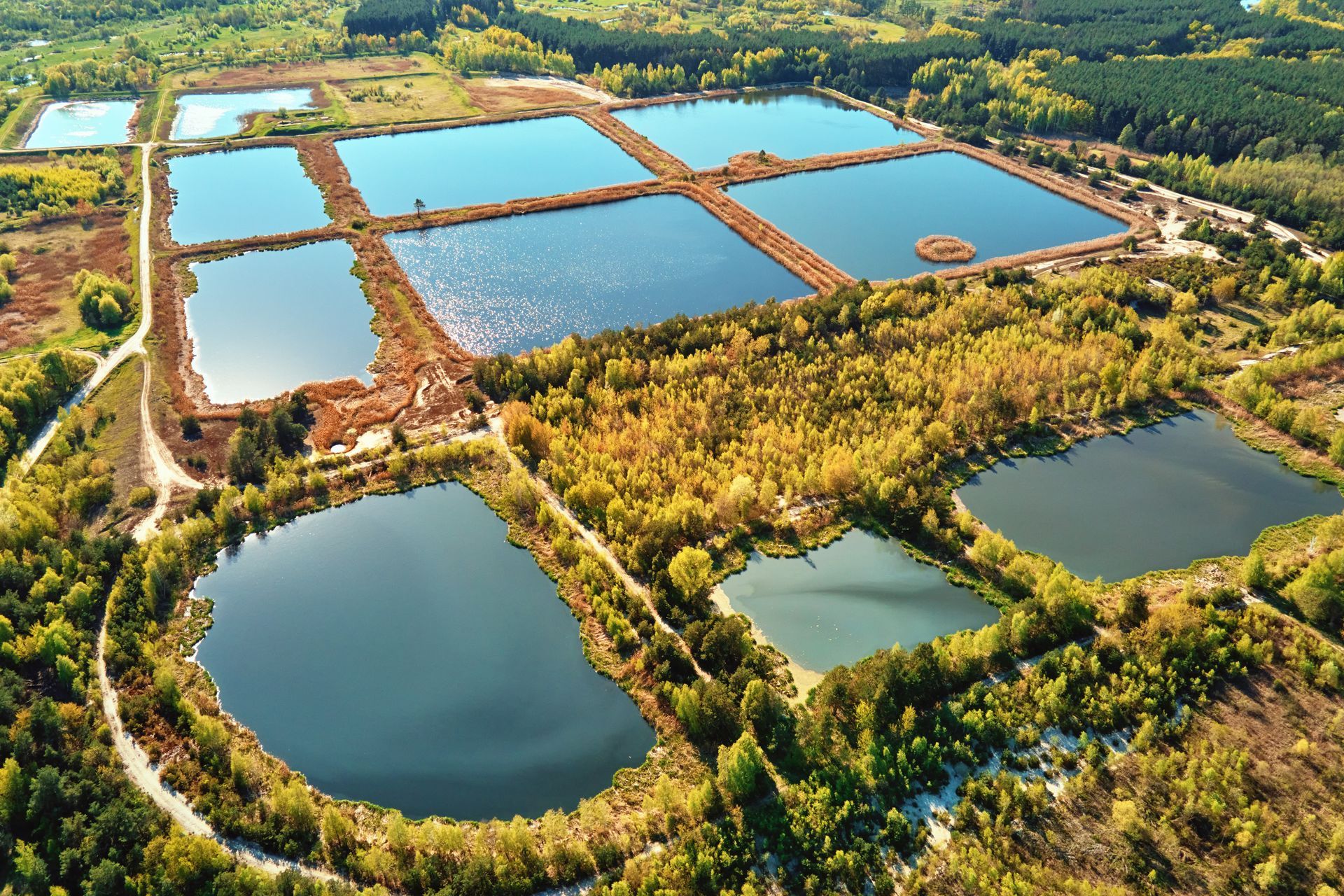
Pond banks and water-adjacent land often feature soft soil, uneven grade, and irregular vegetation patterns that make ground spraying impractical or risky. Equipment weight causes soil compaction and rutting in these areas, and traditional spray booms cannot maintain consistent coverage across slopes or tight corners where vegetation tends to concentrate. Drone application eliminates ground contact entirely, which protects bank integrity while delivering herbicide precisely where overgrowth occurs, including spots that would otherwise be skipped due to access difficulty.
After treatment, landowners notice reduced weed and brush density along pond perimeters, which improves visibility, simplifies mowing or maintenance tasks, and restores cleaner property edges that are easier to manage over time. Vegetation that previously encroached on usable land around ponds no longer competes for space or creates visual barriers that complicate routine inspections and upkeep.
Treatment planning includes buffer zone considerations to protect water quality and non-target vegetation, with application boundaries clearly defined during the consultation phase. PNM coordinates with property operators to schedule treatment during weather conditions that minimize drift risk and ensure herbicide reaches intended target areas without affecting adjacent zones.
Common Questions About This Service
Agricultural landowners managing ponds and water-adjacent property in Arkansas and Missouri frequently ask about treatment safety near water, coverage accuracy, and how aerial application compares to manual vegetation control methods.
How does drone spraying handle uneven pond banks and slopes?
The drone maintains stable altitude and spray pattern regardless of ground contour, which ensures consistent herbicide application across slopes, ditches, and irregular shoreline features where ground equipment would struggle with boom stability and coverage precision.
What types of vegetation are treated along pond edges?
Aerial application effectively controls broadleaf weeds, woody brush, invasive species, and aggressive grasses common around water-adjacent agricultural land, using herbicide formulas selected based on target vegetation and site-specific management goals.
When should pond edge treatment occur for best results?
Treatment timing depends on the growth stage of target plants, but most shoreline vegetation responds best to herbicide application during active growing periods, typically late spring through early fall in this region when plants are transporting nutrients most actively.
What happens if pond access is too soft for ground equipment?
Aerial spraying eliminates the need for ground travel entirely, so treatment proceeds regardless of soil moisture or stability conditions that would prevent traditional spray rigs from accessing shoreline areas without causing damage or safety concerns.
How is the spray plan customized for different pond properties?
PNM evaluates vegetation density, shoreline length, surrounding land use, and herbicide preferences during the consultation to build a treatment plan tailored to your property rather than applying a generic approach across all pond edge projects.
PNM Drone Services handles pond and aquatic edge vegetation treatment across agricultural properties where shoreline access and terrain conditions limit conventional control options. Call (256) 603-0221 to arrange an on-site evaluation and discuss aerial treatment solutions for your water-adjacent land.